Modern water and wastewater infrastructure depends on precision-engineered components that ensure reliable flow control, long service life, and operational efficiency. Among the most critical components in any pressurized pipeline system is the isolation valve. When engineers and system designers evaluate valve options for municipal, industrial, and infrastructure applications, performance, durability, and lifecycle cost become the deciding factors.
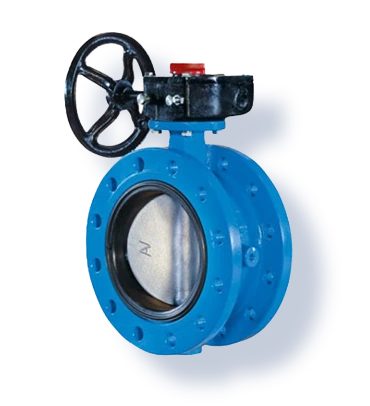
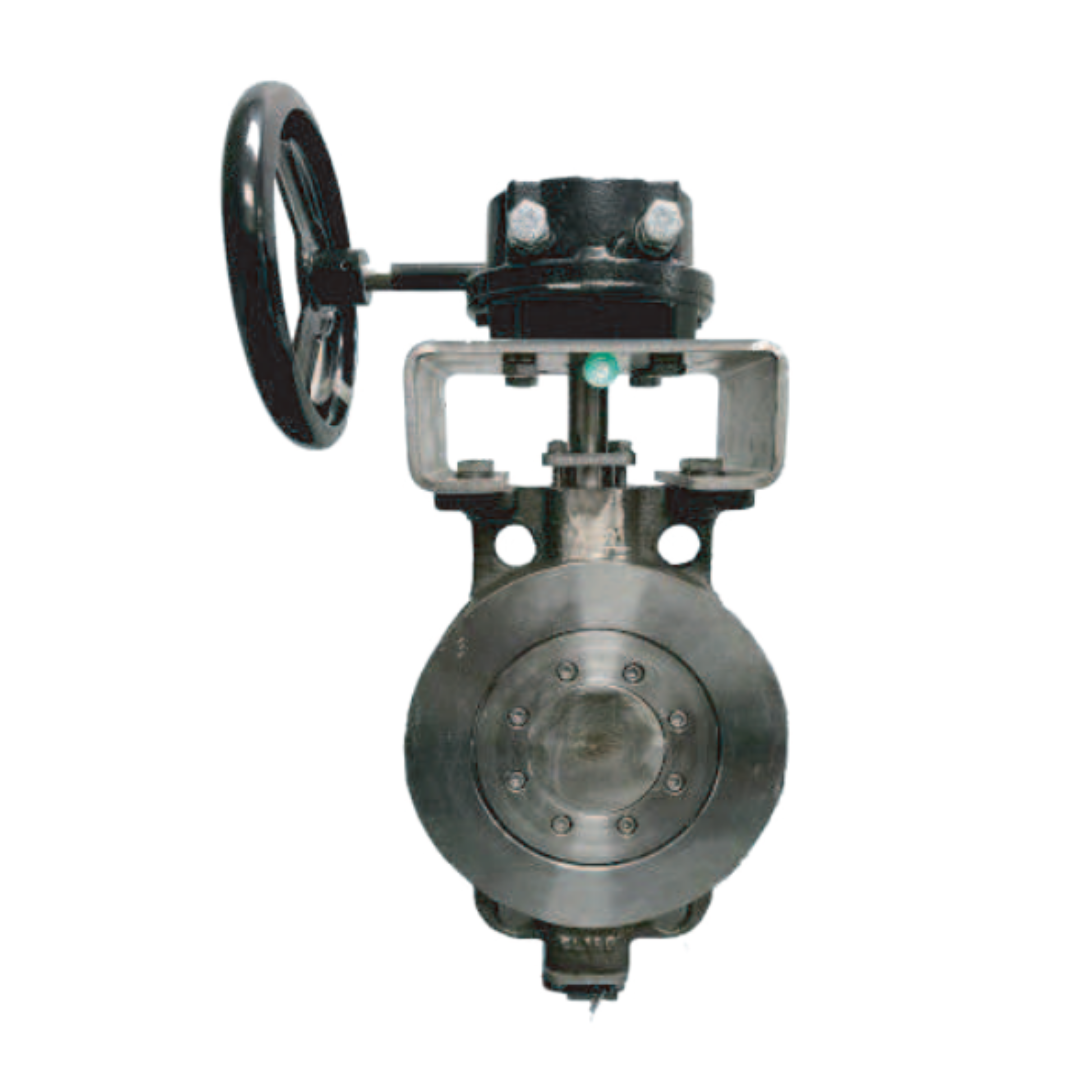
The DEX Double Eccentric Butterfly Valve by Av-Tek represents a proven and highly efficient solution for these demanding environments. Engineered to reduce friction, improve sealing reliability, and extend operational lifespan, the DEX valve provides superior performance compared to traditional butterfly valves and many alternative valve types.
Understanding when to choose a DEX valve allows municipalities, contractors, and engineers to optimize infrastructure reliability while minimizing maintenance costs and operational risks. With nationwide availability and delivery across all U.S. states, Av-Tek ensures fast access to high-performance DEX butterfly valves for new installations, replacements, and infrastructure upgrades.
The Engineering Principle Behind the DEX Double Eccentric Butterfly Valve
The defining feature of the DEX valve is its double eccentric shaft design, also referred to as double offset geometry. This engineering advancement fundamentally improves how the valve disc interacts with the sealing surface.
In traditional concentric butterfly valves, the disc remains centered within the seat and maintains constant contact during opening and closing. This continuous friction creates wear on the seat, increases torque requirements, and reduces sealing reliability over time.
The DEX valve eliminates this problem through two carefully engineered shaft offsets
The first offset positions the shaft behind the disc centerline. The second offset shifts the shaft away from the pipeline centerline. These combined offsets allow the disc to disengage from the seat immediately upon opening, eliminating unnecessary friction. Instead of scraping against the seat, the disc lifts away smoothly and rotates freely. Contact with the seat occurs only during the final stage of closure, ensuring tight sealing while minimizing wear during operation.
This design dramatically improves valve performance, reliability, and service life.

Why Reduced Friction Matters in Infrastructure Applications
Friction is one of the primary causes of valve degradation. In systems where valves operate frequently, friction accelerates seat wear, increases operating torque, and reduces sealing integrity.
By minimizing friction, the DEX valve provides immediate operational benefits. Lower friction reduces the force required to operate the valve, which allows for smaller actuators and reduces mechanical strain. This improves actuator reliability and lowers equipment costs.
Reduced friction also extends seat lifespan. Because the seat is not subjected to continuous abrasion, it maintains sealing performance for significantly longer periods.
For municipalities and industrial operators managing thousands of valves, this translates directly into reduced maintenance costs and increased system reliability.
When to Choose a DEX Valve: Municipal Water Distribution Systems
Municipal water distribution networks require valves capable of maintaining reliable sealing performance for decades. These systems operate continuously and serve critical public infrastructure.
DEX valves are particularly well suited for water transmission lines, distribution pipelines, pump stations, and storage facilities.
Their tight sealing performance prevents water loss, protects system pressure integrity, and supports efficient water delivery. Reduced operating torque allows operators and automated systems to control flow easily, even in large diameter pipelines.
The valve’s corrosion-resistant construction ensures long-term durability in buried installations and exposed infrastructure environments.
Municipal engineers choose DEX valves because they provide dependable performance while minimizing maintenance requirements over the lifecycle of the system.
Wastewater Infrastructure and Treatment Applications
Wastewater systems present more aggressive operating conditions than potable water systems. Pipelines are exposed to corrosive environments, suspended solids, and biological activity.
The DEX valve’s robust design ensures reliable performance under these demanding conditions. Its sealing system maintains integrity despite exposure to wastewater contaminants.
In treatment facilities, DEX valves provide reliable isolation for process control, allowing operators to regulate flow safely and efficiently. In force mains and pumping systems, they ensure consistent flow control while protecting downstream equipment.
Because wastewater infrastructure must operate continuously, valve reliability is essential. The DEX valve provides long-term performance without frequent maintenance or replacement.
Industrial Applications and Process Reliability
Industrial facilities rely on precise flow control to maintain production efficiency and equipment protection. Cooling systems, utility pipelines, and process water systems require valves capable of operating reliably under varying pressure conditions.
The DEX valve provides consistent performance in these environments. Its low torque requirements enable easy actuator integration, supporting automated control systems and remote operation.
Industrial engineers value the DEX valve’s durability because it minimizes downtime and supports uninterrupted operations.
Reliable flow isolation protects pumps, filters, and processing equipment from damage, ensuring consistent production output.

Superior Sealing Performance and Leak Prevention
Sealing reliability is one of the most important performance characteristics of any valve. Leakage reduces system efficiency, increases operational costs, and may lead to environmental compliance issues.
The DEX valve’s sealing system provides tight shutoff performance even after years of operation. Because friction is minimized during opening and closing, the seat remains intact and maintains its sealing properties longer.
This ensures dependable isolation of pipeline sections for maintenance, repairs, and operational control.
Leak prevention protects valuable water resources and maintains infrastructure efficiency.
Lower Torque Requirements and Improved Automation Efficiency
One of the most significant operational advantages of the DEX valve is its low torque requirement. Because the disc disengages from the seat immediately during opening, less force is needed to operate the valve.
This improves manual operation and significantly enhances actuator performance.
Lower torque requirements allow engineers to use smaller actuators, reducing equipment costs and energy consumption.
Automated valve systems benefit from smoother operation, improved reliability, and reduced mechanical stress.
This makes the DEX valve ideal for modern infrastructure systems utilizing automation and remote monitoring.
Extended Service Life and Reduced Maintenance Costs
Infrastructure investments are evaluated based on lifecycle cost, not just initial purchase price.
The DEX valve’s reduced friction design significantly extends service life. Because internal components experience less wear, maintenance intervals are longer and replacement frequency is reduced.
Municipalities and industrial operators benefit from lower maintenance costs and fewer operational disruptions.
This improves overall infrastructure efficiency and reduces long-term operational expenses.
Space Efficiency and Installation Advantages
Compared to gate valves and other isolation valves, butterfly valves offer a more compact and lightweight design.
The DEX valve maintains these advantages while delivering superior performance.
- Its smaller footprint simplifies installation, particularly in confined infrastructure environments such as pump stations and treatment facilities.
- Reduced weight also simplifies transportation and handling during installation.
- These advantages reduce installation time and labor costs.
Corrosion Protection and Material Durability
Water and wastewater infrastructure exposes valves to harsh environmental conditions.
The DEX valve is constructed using corrosion-resistant materials and protective coatings designed to withstand these conditions.
Ductile iron bodies provide structural strength, while protective coatings ensure resistance to corrosion.
This ensures reliable long-term performance in both buried and exposed installations.
Why Engineers and Procurement Teams Choose DEX Valves
Engineers prioritize reliability, performance, and lifecycle value when selecting valves.
The DEX valve delivers measurable advantages in all three areas. Its advanced engineering design reduces wear, improves sealing performance, and extends service life.
Procurement teams value the valve’s cost efficiency and long-term durability. Reduced maintenance requirements and extended lifespan lower total ownership cost.
This combination of performance and cost efficiency makes the DEX valve an optimal choice for infrastructure projects.
Nationwide Delivery and Availability Across All U.S. States
Infrastructure projects require reliable supply chains and fast delivery.
Av-Tek delivers DEX Double Eccentric Butterfly Valves to all U.S. states, ensuring rapid availability for municipal, industrial, and contractor projects.
Whether for planned infrastructure upgrades or emergency replacements, Av-Tek provides dependable valve solutions with nationwide support.
Improve Infrastructure Reliability with Av-Tek DEX Double Eccentric Butterfly Valves
Request a Quote Today — Fast Delivery Across All U.S. States